Why Jaydens Landscaping Is the Go-To Choice for Outdoor Design and Maintenance in the GTA
When I first moved into my house in Markham, the backyard was a blank rectangle of tired sod and a single maple tree. I knew I wanted something more: a place where the kids could run, where I could sit with coffee on a Saturday morning, and where the whole property felt intentional. What I didn't know was how many decisions go into turning a patch of ground into a real outdoor room. That is where a good landscaping company earns its keep. After talking with several contractors and walking a few finished projects, I found that the team at https://www.jaydenslandscaping.ca/ had the clearest sense of what works on these GTA lots.
Getting the Ground Right Matters More Than Anything
Too many homeowners skip the basics and jump straight to buying patio stones and picking out plants. The truth is that grading and drainage are the foundation of any lasting landscape. I have seen a beautiful interlocking brick patio settle and crack within two years because the base was laid over clay without enough compaction. A proper job starts with stripping the topsoil, evaluating the slope, and making sure water runs away from the house foundation. In the Greater Toronto Area, where we get freeze-thaw cycles from November through April, poor drainage will heave your pavers and crack your concrete curbs by the second spring.
Good contractors measure the fall carefully. They use crushed stone base, compact it in lifts, and only then lay the bedding sand. When I watched the crew on my neighbour's driveway, they spent three full days just on the base preparation before a single paver went down. That patience is what separates a ten-year driveway from a thirty-year one. https://www.jaydenslandscaping.ca/ built that driveway, and it still looks level and tight four winters later.
Interlocking Pavers: Not All Patterns Are Equal
Interlocking pavers are popular in Markham and Scarborough for good reason. They handle heavy loads, they can be replaced individually if a stain or crack appears, and they offer more design flexibility than poured concrete or asphalt. But there is a trade-off. The more intricate the pattern, the more cuts are required, and each cut introduces a potential weak point at the edge of the paver. A herringbone pattern distributes load better than a running bond, especially if you park a car on the driveway every day. I have also seen homeowners choose a basket-weave pattern for its traditional look, only to find that the small pieces shift more in wet clay soil.
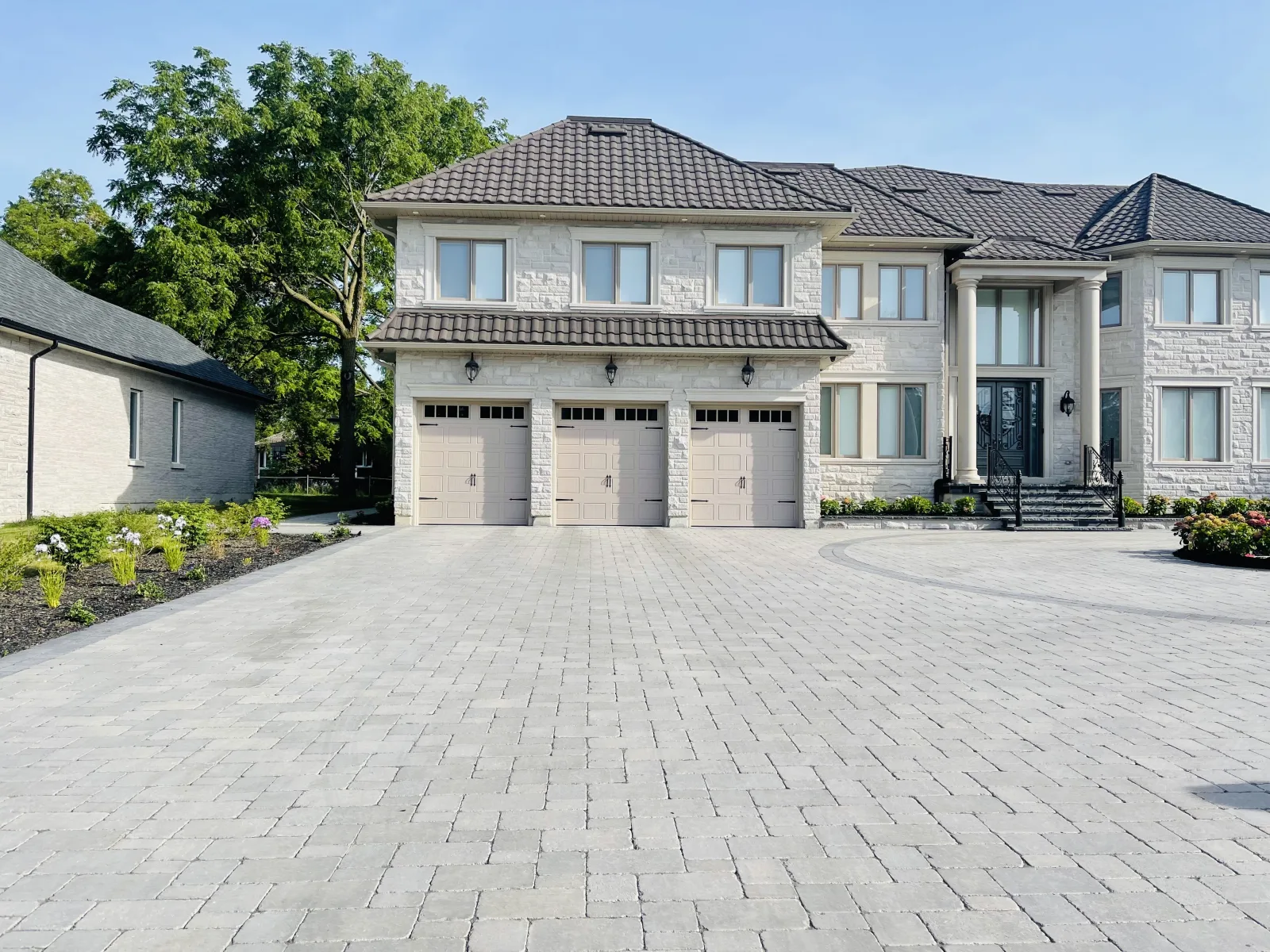
Permeable pavers are a newer option that I think more people should consider. They allow rainwater to filter through the joints and into the ground, which reduces runoff and helps with municipal stormwater bylaws. They work especially well in areas with poor drainage or where you want to avoid puddles next to the house. The catch is that they need a deeper base and occasional maintenance to keep the gaps clear. But if you are building a patio near a garden bed or a low spot in the yard, permeable pavers can solve a problem that landscaping fabric and gravel cannot.
Retaining Walls and the Weight of Ontario Soil
Retaining walls are one of those features that look simple but demand serious engineering. The soil in the GTA is heavy clay for the most part, and it holds water like a sponge. A retaining wall that is less than three feet tall can often use interlocking concrete blocks with a geogrid behind it. Anything taller needs engineered drainage and sometimes a structural engineer's sign-off. I have seen walls built with railroad ties that bowed outward after two wet springs because nobody calculated the hydrostatic pressure behind them. A proper wall uses a base of compacted gravel, a perforated drainpipe at the bottom, and backfill that allows water to escape rather than push against the blocks.
Flagstone is a beautiful material for a low retaining wall or a raised garden bed. It looks natural, it weathers well, and it blends into a cottage-style yard better than concrete. But flagstone is expensive and requires a skilled mason to dry-stack it without mortar so that water can drain. A dry-stacked flagstone wall can last indefinitely if the base is right, but it will not hold back a significant slope on its own. For that, you want engineered retaining walls with proper footings and reinforcement.
Driveway Sealcoating and the Winter Grind
If you have an asphalt or interlocking driveway, sealcoating is the single best thing you can do to extend its life. The sealant fills the small cracks and protects the surface from UV, salt, and oil drips. I sealcoat my own driveway every two years, and I can see the difference between the sealed sections and the spots near the garage where I was lazy last time. The key is to apply it when the temperature is above 10 degrees and the surface is completely dry. That usually means late spring or early fall in Ontario. If you sealcoat too late in the season, the coating may not cure before the frost hits, and it will peel off in sheets when the snow plow scrapes across it.
Speaking of snow plows, they are hard on any driveway surface. The metal blade can gouge interlocking pavers if the driver is not careful. Many landscaping companies now use plows with a rubber edge or a floating hitch that reduces the downward pressure. I have also seen homeowners install concrete curbs along the edge of the driveway to protect the lawn and the pavers from the plow's drift. That is a small investment that saves a lot of spring repair work.
Sod Installation and the Right Start for a Lawn
Sod installation looks like the easy way to get a lawn, but the prep work is exactly the same as for seed. You need to strip the old vegetation, grade the soil, add topsoil if the existing dirt is thin or compacted, and then roll and water the sod within 24 hours of delivery. The biggest mistake I see is laying sod over a layer of clay without any organic amendment. The sod might look green for a month, but then the roots hit the hardpan and the grass starts to brown in patches. A good contractor will bring in screened topsoil and mix it with the existing soil to give the roots room to spread.
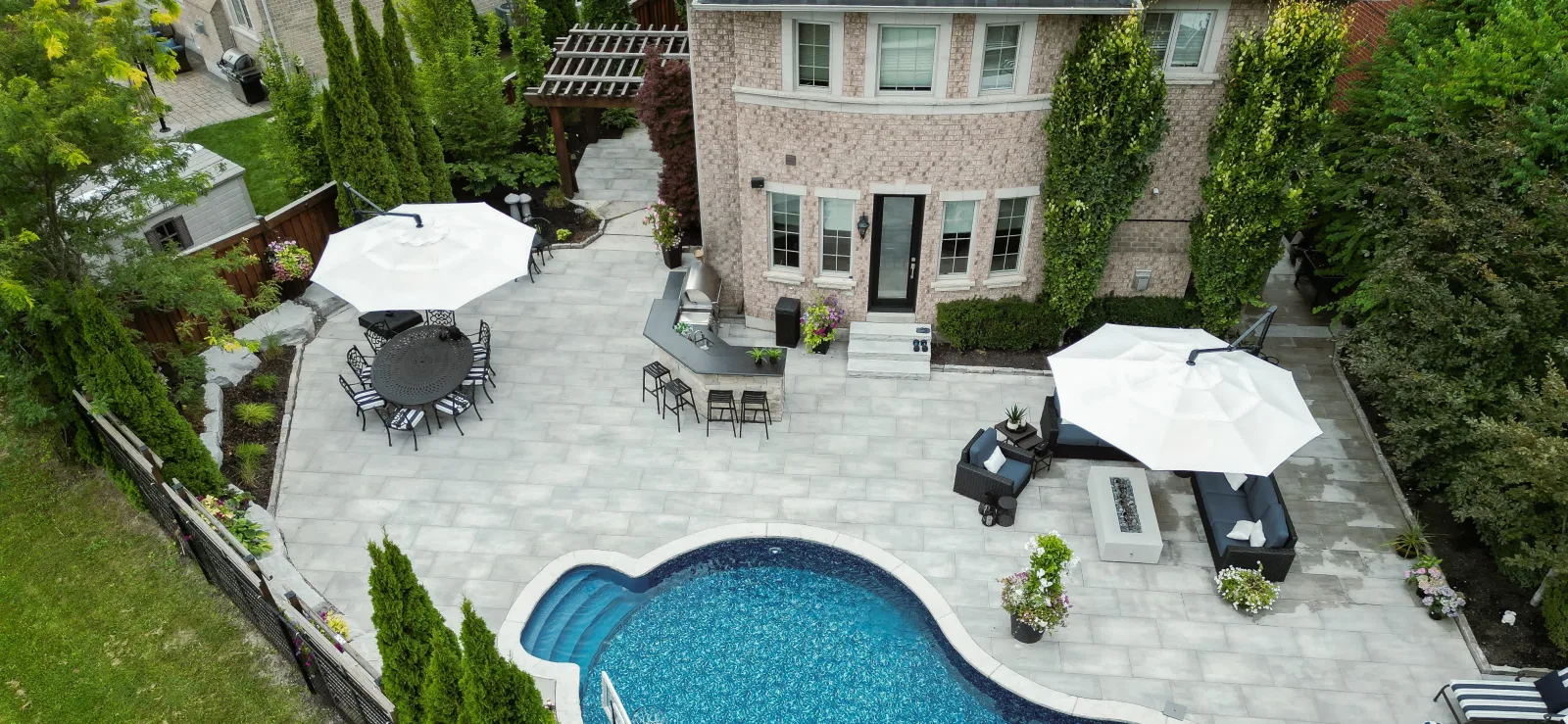
After sod is down, watering is critical for the first three weeks. You need to keep the soil moist but not soaked, and you need to avoid walking on it. I have seen people lay sod, water it once, and then wonder why it turns yellow. It is a living thing, not a carpet. The same care applies to garden beds: if you are adding perennials, shrubs, or trees, the soil preparation and the first season of watering will determine whether they thrive or just survive.
Landscape Lighting and the Evening Experience
Landscape lighting is one of those upgrades that people often add as an afterthought, but it makes a huge difference in how you use the yard. I installed low-voltage path lights along my walkway and uplights against the retaining wall, and suddenly I was sitting outside until ten o'clock on summer nights. The trick is to use warm white LEDs that mimic the colour of incandescent bulbs, and to place the fixtures so that they illuminate features without blinding you. Downlighting from a tree branch can create a moonlit effect that is soft and inviting. Uplighting against a textured wall or a specimen tree adds drama. You can also use well lights in the garden beds to highlight a particular shrub or a piece of sculpture.
I would caution against over-lighting. A yard that looks like an airport runway is not relaxing. A few well-placed fixtures with timers or photocells will give you a beautiful effect without a high electric bill. And if you are already doing yard cleanup and mulching in the spring, it is a good time to run the low-voltage cable under the garden beds before the plants fill in.
Year-Round Maintenance and the Value of a Single Source
The biggest lesson I have learned from owning a house in the GTA is that landscaping is not a one-time project. It is a cycle. Spring brings yard cleanup, mulching, and garden bed prep. Summer means mowing, weeding, and watering. Fall is for leaf removal, sod installation, and a final cut. Winter demands a reliable snow plow and salt strategy. Many homeowners hire different crews for each season, and they end up with gaps in communication and inconsistent quality. That is why I appreciate a company that offers design, construction, and maintenance under one roof. When the same crew that built your interlocking patio also handles your spring cleanup and your winter plowing, they know where the drainage is, they know where the buried landscape lighting runs, and they take care of the property like it is their own work.
That continuity shows in the details. The crew knows not to pile snow against the garden beds, they know where the flagstone path is so they do not scrape it with the plow, and they can spot a retaining wall that is starting to lean before it becomes a problem. I have been using the same team for four years, and I can honestly say that the property looks better every year because of that relationship. If you are looking for a partner who can handle the whole spectrum from design through snow removal, it is worth a conversation with https://www.jaydenslandscaping.ca/.
Practical Advice for Homeowners
If you are planning a landscaping project this year, here are a few things I have learned that might save you time and money:
- Start with the drainage. Fix the grading before you buy a single paver or plant. Water will find its way out eventually, and it is cheaper to direct it now than to repair damage later.
- Choose materials that match your climate. Interlocking pavers with a thick base handle freeze-thaw better than thin flags. Permeable pavers are great for low spots but need maintenance.
- Invest in a good base. The visible surface is only half the story. A proper base of crushed stone and compacted sand will keep your patio and driveway level for decades.
- Think about winter before summer ends. If you are installing concrete curbs or landscape lighting, make sure they are placed where the snow plow will not catch them. Mark the edges of the driveway with stakes before the first snowfall.
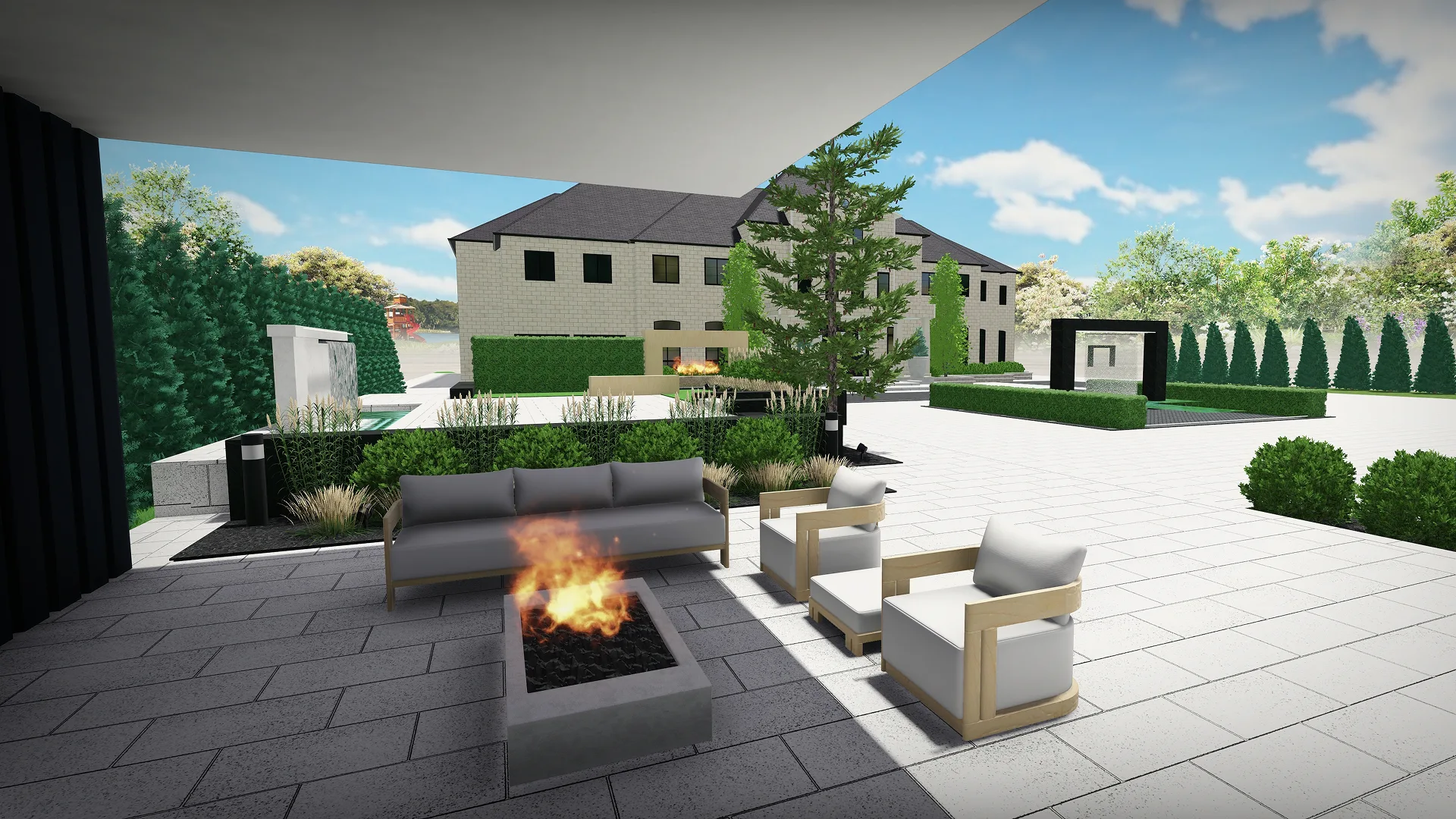
- Plan for the whole property. A cohesive design that connects the driveway, patio, garden beds, and retaining walls will feel larger and more intentional than a series of disconnected projects.
Landscaping in the GTA is a long game. The weather is tough, the soil is tricky, and the seasons change fast. But with the right planning and the right crew, you can build an outdoor space that works for your family and adds real value to your home. That is what I have found, and it is why I keep coming back to the same team year after year.